

How to Identify What You Love and Why It Matters
There is no shortage of articles explaining the different interior design styles. Hamptons, Japandi, Coastal, French Provincial, Art Deco and Contemporary each have their own defining characteristics, material palettes and design philosophies, making them valuable sources of inspiration when planning a renovation or new build.
Creating a beautiful home, however, is rarely about selecting one style and applying it throughout every room. The most successful interiors draw inspiration from different design philosophies to create spaces that feel cohesive rather than designed to fit neatly within a single category.
Interior styles are a design language that helps communicate ideas and establish a clear visual direction. The finished home may never fit neatly within a single style, nor should it. Instead, the strongest interiors reflect the home’s architecture, the people who live there and the way the space is intended to be lived in.
Interior design styles are a communication tool, not a design outcome
Many homeowners believe they need to identify their interior design style before engaging an interior designer. In reality, style is rarely where the design process begins.
Instead, the conversation begins with how the home should feel, how it needs to function and the qualities that consistently resonate. When we look through a client’s inspiration, the objective isn’t to define a particular style. It’s to identify the common thread running through the images.
Those recurring qualities are far more valuable than a style label because they establish the design direction for the project. A Contemporary interior may incorporate Art Deco influences, while a Californian Bungalow renovation might combine heritage character with contemporary simplicity. Every project responds to its architecture, its setting and the people who live there, creating a home that feels entirely personal.
How to find your interior design style
Finding your interior design style begins with recognising the interiors, materials and architectural details you’re naturally drawn to. Collecting images that resonate with you often reveals recurring themes. It may be a preference for natural stone, warm timber, custom joinery, or the way light, texture and proportion are used within a space. Those qualities reveal far more about a client’s aesthetics than the name of a particular design style.
Interior designers look beyond the individual images to identify what connects them. Those insights are interpreted alongside the home’s architecture, the way it will be lived in and the practical requirements of everyday life, to design a home that feels balanced, personal and authentic.
“Most clients don’t come to us knowing exactly what their style is, and that’s completely fine. Pinterest is a fantastic source of inspiration, but rather than focusing on labels, simply save images of spaces that resonate with you. Bring those images to your consultation, and we’ll do the rest.”
Larissa Davis | Principal Designer
The design philosophies we return to most often
While every project develops its own unique design language, certain design philosophies appear time and again because of their enduring appeal. Each offers distinct qualities that can shape the direction of a project without defining the home as a single style.
Contemporary Luxury
Contemporary Luxury combines refined materials, exceptional craftsmanship and restrained detailing. Its appeal lies not in expensive finishes or elaborate decoration, but in proportion and quality. We often use natural stone, bespoke joinery and layered lighting together, selecting each element in relation to the next so the home reads as a composition rather than a collection of individual selections.
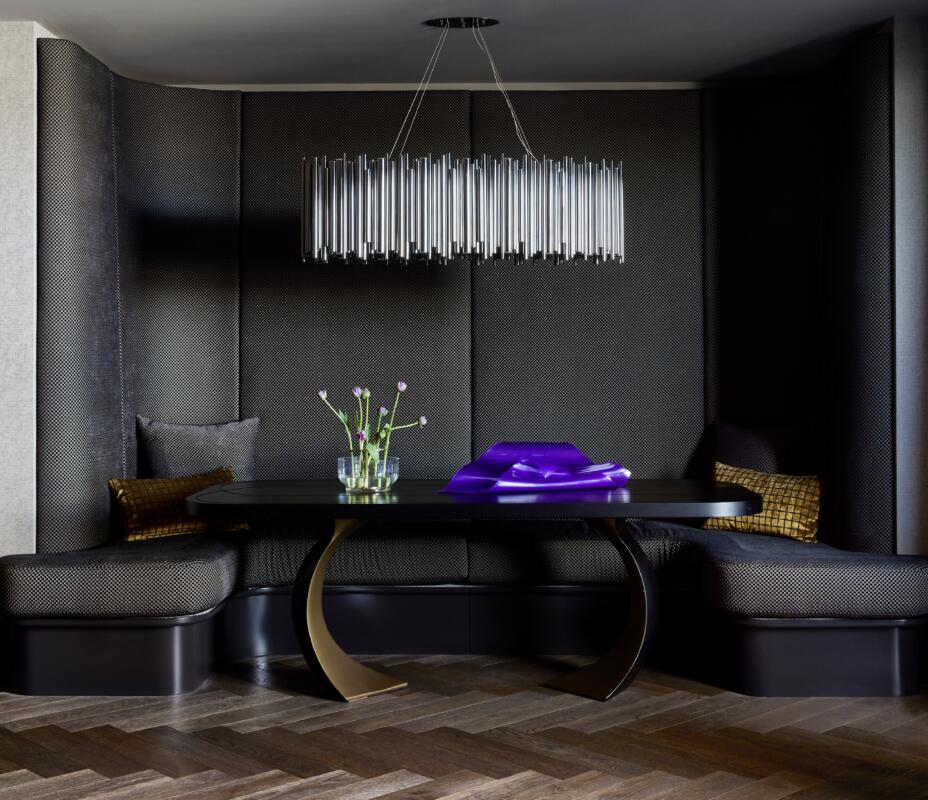
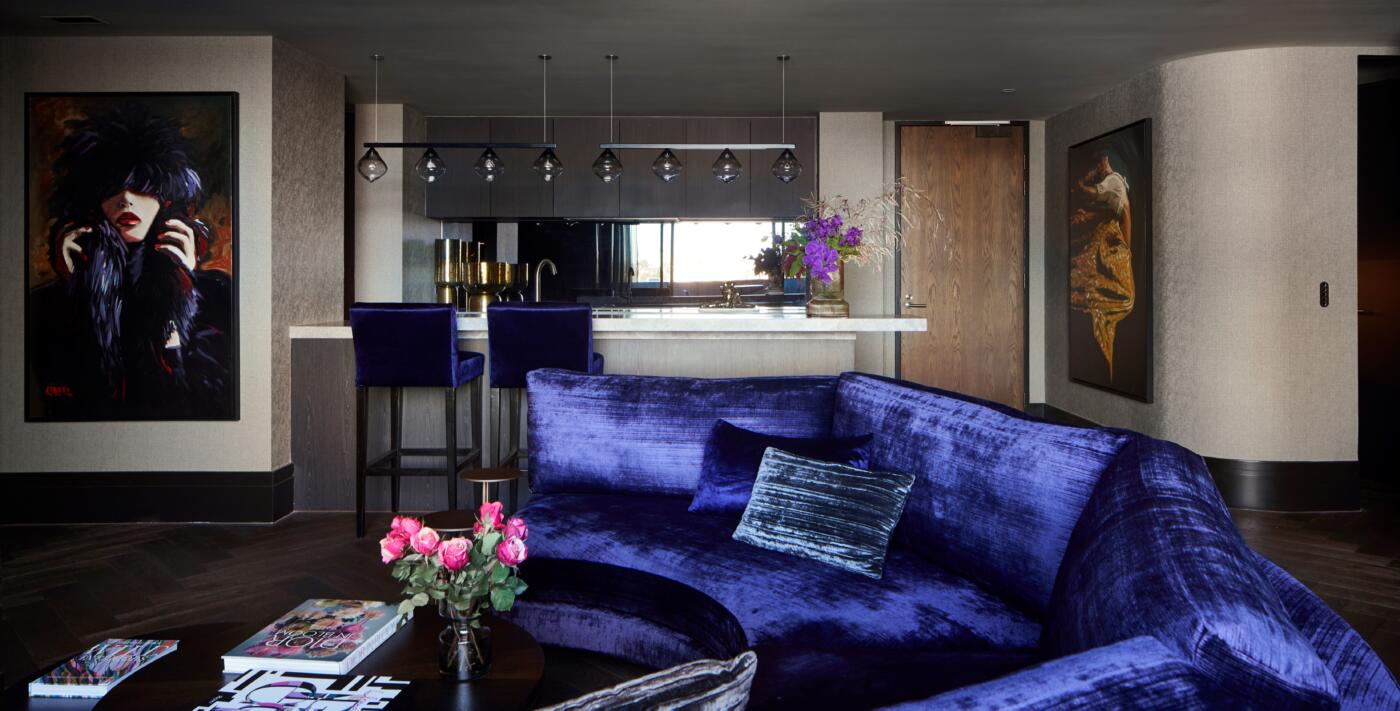
Our Bayside Residence project demonstrates this philosophy particularly well. The architectural finishes, custom joinery, lighting, furniture, artwork and styling were all developed together from the outset, giving every element a clear purpose within the overall composition.
Art Deco
Art Deco is characterised by bold geometry, symmetry, rich materials and decorative forms such as arches, circles and stepped lines. Its appeal comes from the balance between 1930s glamour, strong composition and architectural discipline. Every proportion feels intentional, decorative elements require control, and material selection is critical. Poor imitations, oversized detailing and inferior finishes quickly undermine the integrity of the style.
Rather than recreating a period interior, we often introduce selected Art Deco influences within contemporary homes. Curved forms, sculptural lighting, decorative joinery and detailed hardware add character while allowing the architecture to remain the hero.
Transitional Interior Design
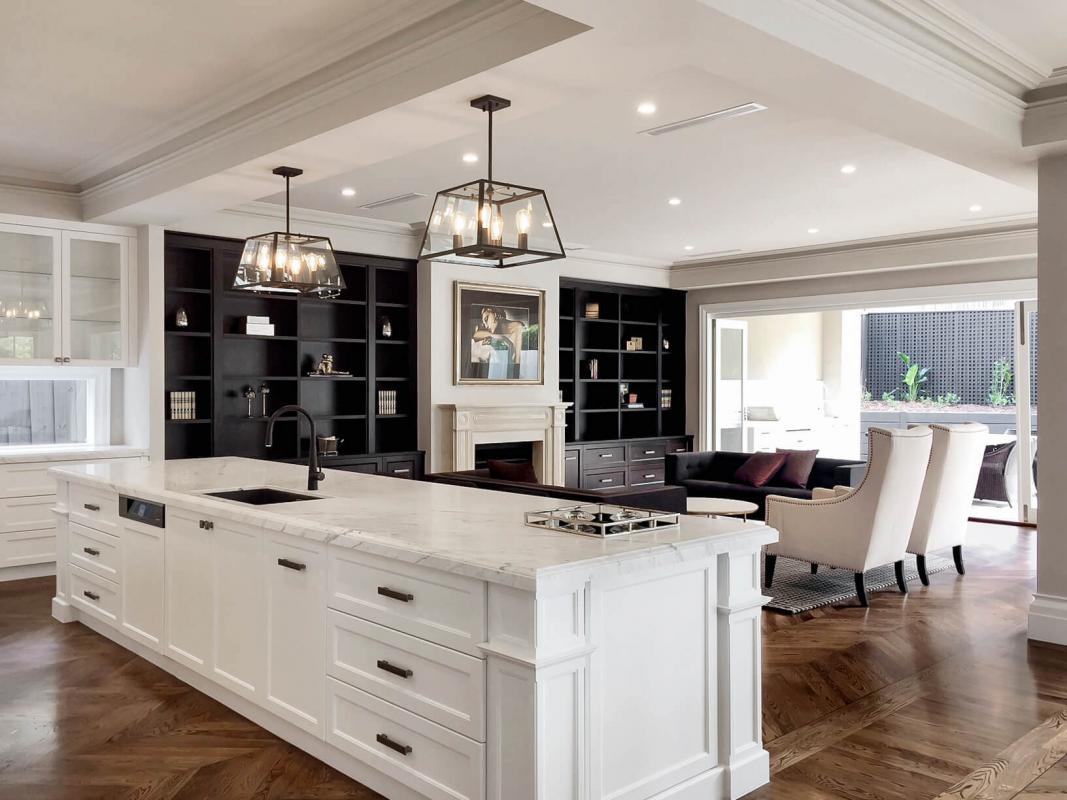
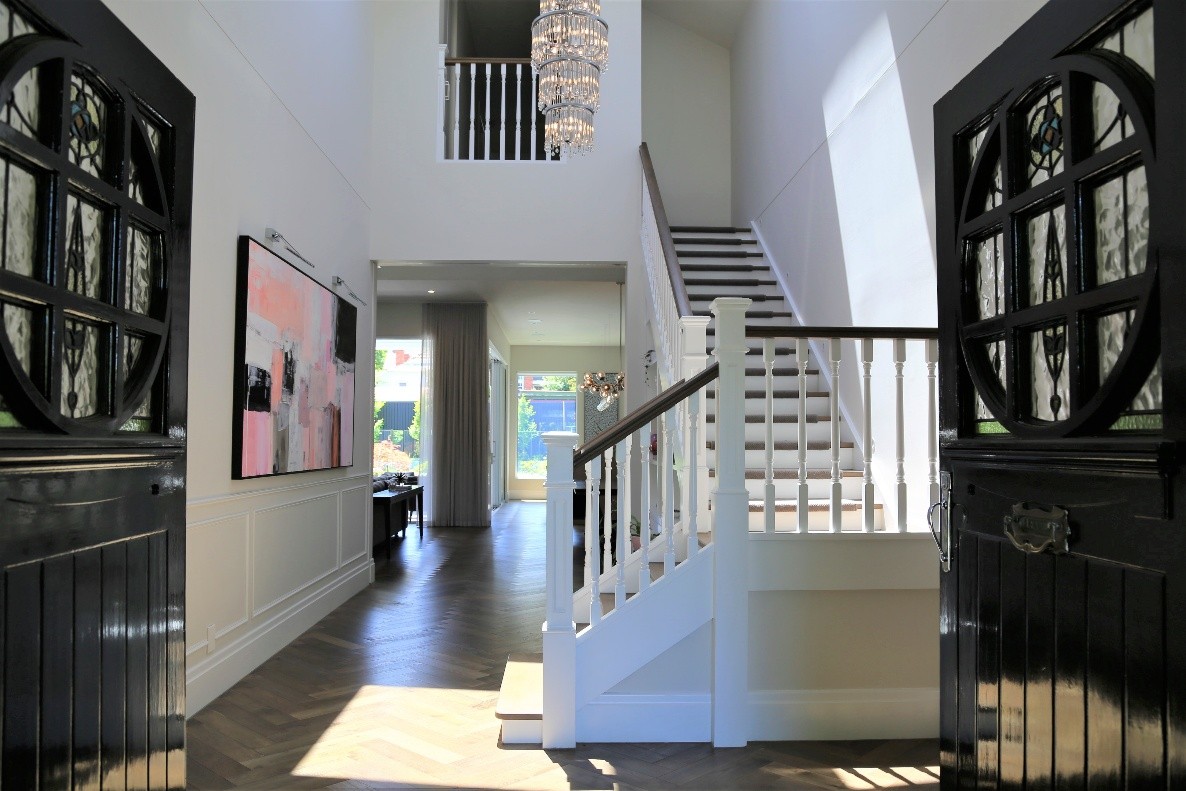
Transitional interior design combines the timeless elegance of traditional design with the simplicity of contemporary living. Its appeal lies in balancing classical proportion with contemporary simplicity.
Panelled walls, natural stone and traditional detailing establish the architectural foundation, while clean-lined furniture, restrained palettes and contemporary lighting introduce a fresh perspective. Every element is selected to complement the next, creating balance without feeling tied to a particular era.
Coastal Contemporary
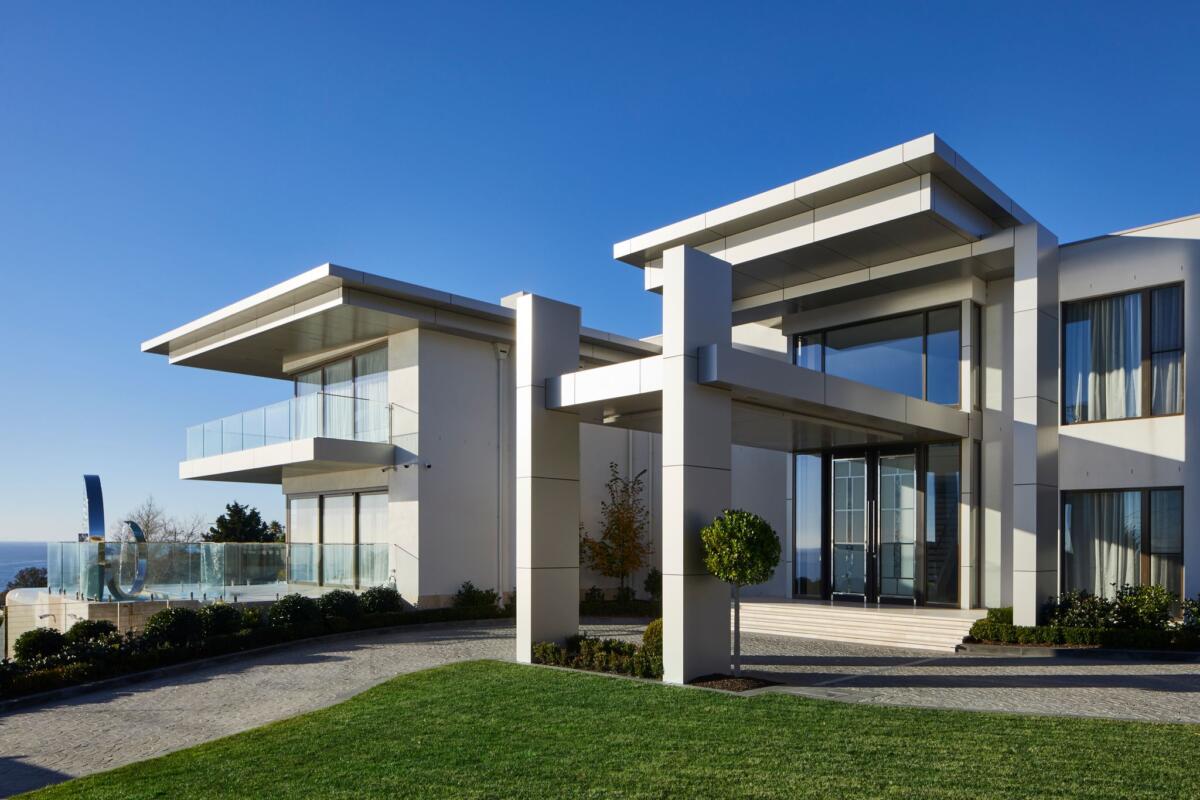
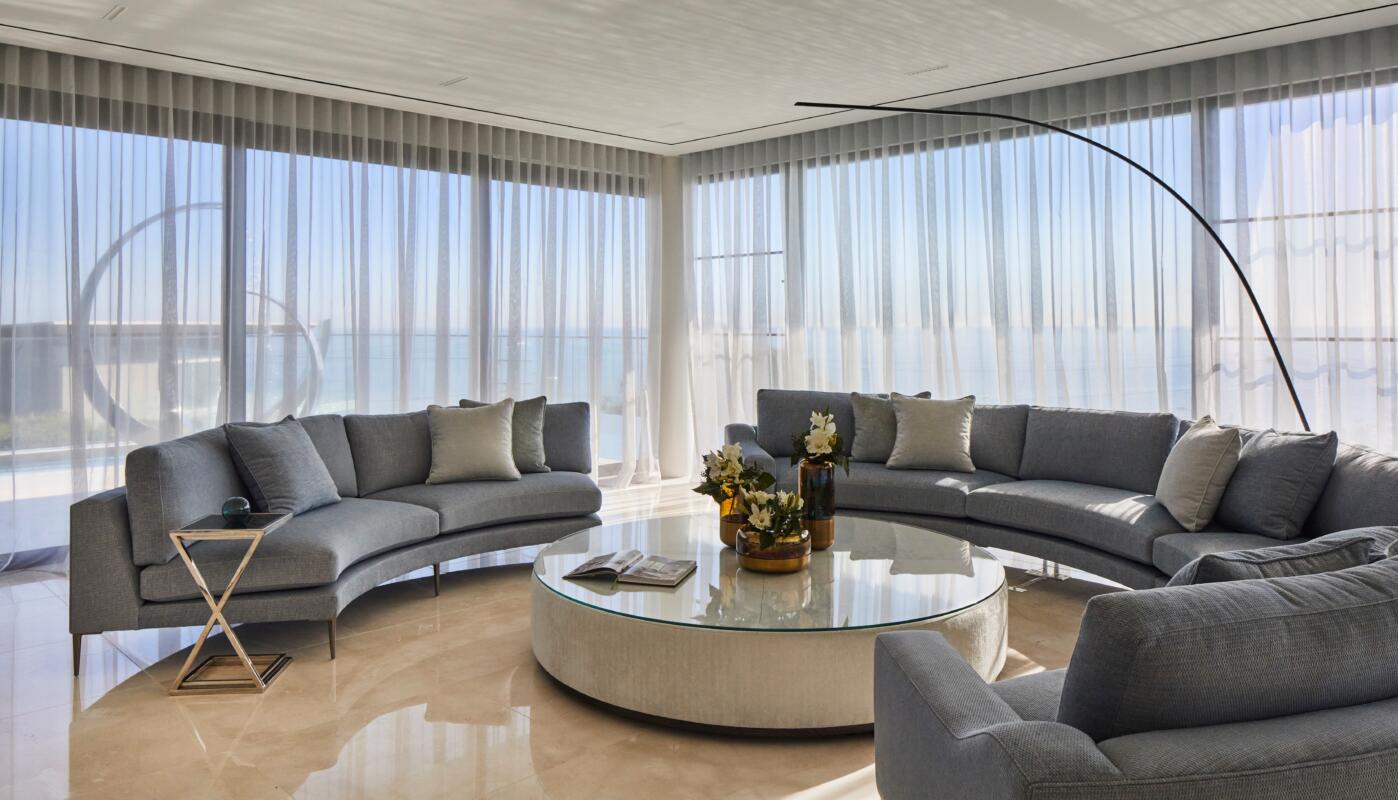
Coastal Contemporary interior design combines natural materials, abundant natural light and a strong connection to the surrounding landscape. Its appeal lies in responding to the environment rather than relying on coastal themes or beach-house styling.
Natural timber, textured stone, linen upholstery and layered finishes are selected in relation to one another, creating interiors that reflect their setting. This approach works particularly well throughout Melbourne’s Bayside suburbs and the Mornington Peninsula, where architecture and landscape become part of the overall design.
Japandi
Japandi combines the simplicity of Japanese design with the warmth and functionality of Scandinavian interiors. Its appeal lies in honest materials, thoughtful proportion and understated design rather than decorative styling.
Natural timber, linen, handmade ceramics and restrained colour palettes establish the material palette, while texture replaces ornament. Every proportion, finish and junction becomes more noticeable as decorative elements are reduced, making precision and detailing essential to the overall composition.
French Provincial
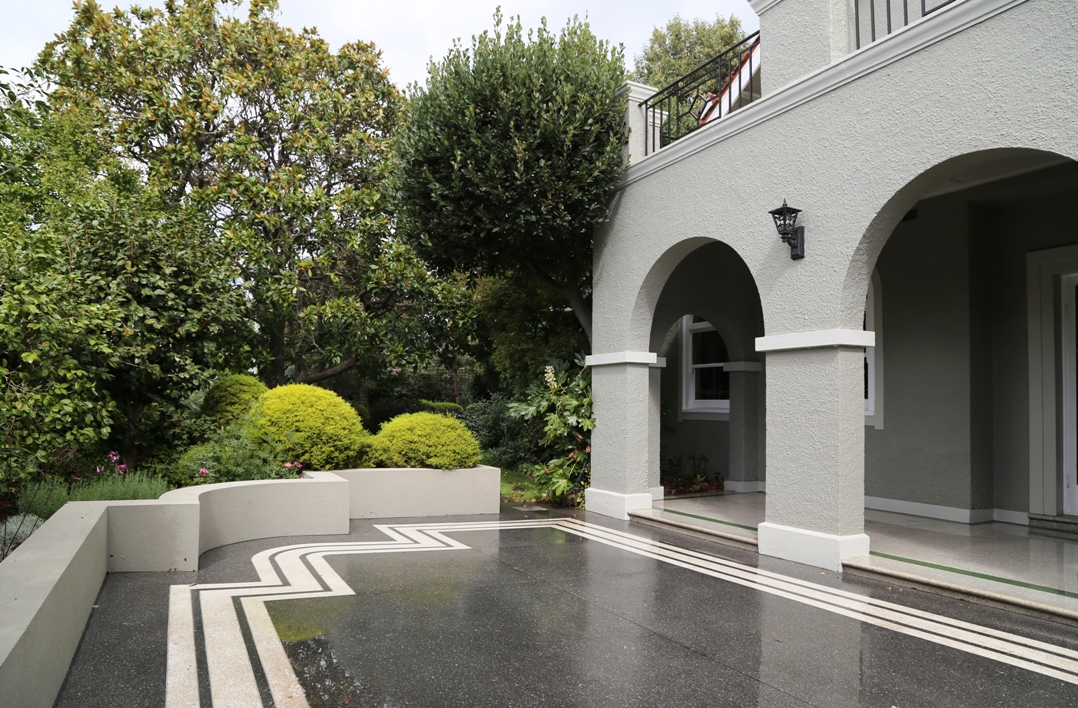
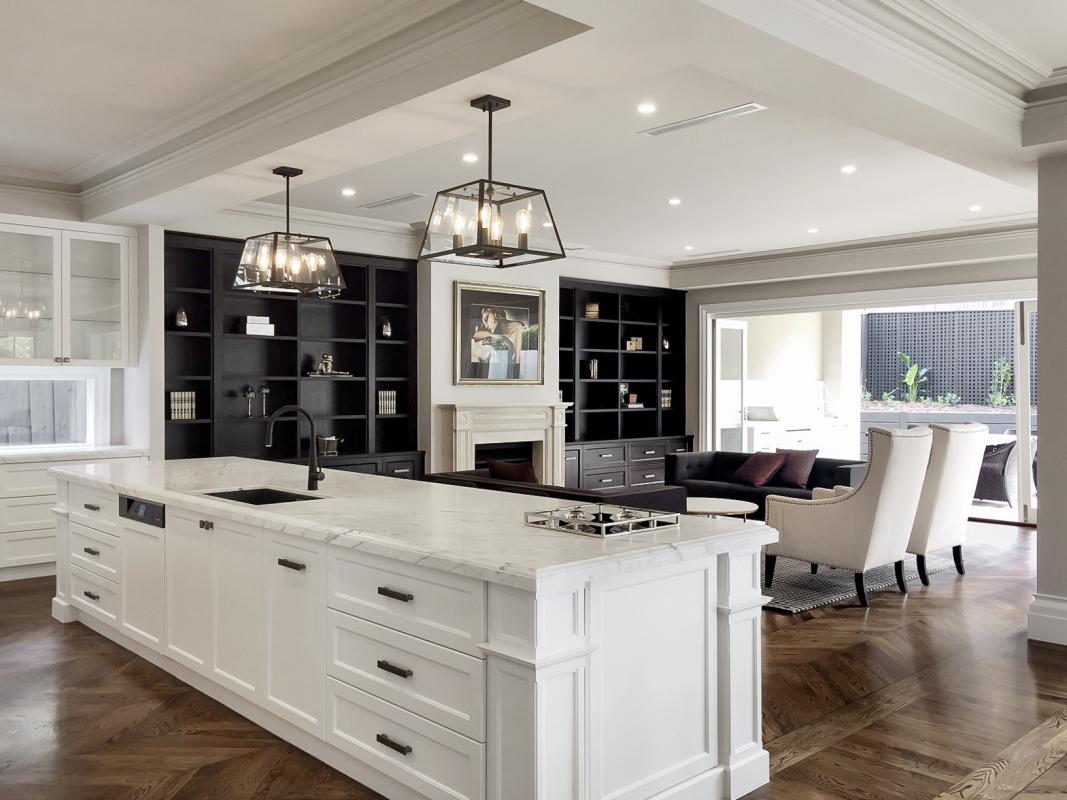
French Provincial interior design captures the unmistakable romance of the French countryside within a Melbourne home. Rustic yet elegant, it calls to mind sun-warmed stone and aged timber balanced by classical proportions and traditional architectural features.
Timber parquetry or natural stone flooring, traditional mouldings and classic joinery profiles establish the architectural foundation, while soft, muted colours, natural textures and contemporary furnishings create a lighter interpretation. It should feel almost transportive, as though you could open the windows and smell lavender and rosemary drifting in from the Provençal countryside, yet be entirely at home in contemporary Australian living.
Californian Bungalow
Californian Bungalows are one of Melbourne’s most recognised architectural styles. Their generous proportions, timber detailing and established streetscapes provide a strong foundation for contemporary renovation.
The style respects the original architecture rather than trying to disguise it. Original features sit alongside contemporary joinery, natural materials and improved spatial planning, allowing the home to evolve while maintaining its architectural integrity.
Why the most beautiful homes combine styles
One of the greatest misconceptions surrounding interior design styles is that every successful home should belong entirely to one category. In reality, many of the most memorable interiors combine influences from several design philosophies to create something far more personal.
- Contemporary Luxury + Art Deco is a natural pairing because both share strong geometry, symmetry and carefully considered form. Art Deco adds a layer of refinement that prevents contemporary interiors from feeling cold, while contemporary design stops Art Deco from becoming overly theatrical.
- Contemporary Luxury + Classical combines the proportion and detailing of classical architecture with the simplicity of contemporary living. Symmetry, panelled walls, natural stone and a restrained palette create a timeless architectural foundation, while contemporary furnishings keep the interior current.
- Japanese + Scandinavian (Japandi) combines the simplicity of Japanese design with the warmth of Scandinavian interiors. Pale timber, linen, handmade ceramics and soft textures introduce warmth and texture without relying on unnecessary decoration.
- Contemporary + Mid-Century Modern works beautifully because both celebrate honest materials and clean, functional forms. Mid-century furniture introduces sculptural shapes, walnut timbers and considered detailing that sit comfortably within contemporary architecture.
- Transitional combines traditional detailing with contemporary furniture, lighting and finishes. Rather than sitting between two styles, it takes the strongest qualities from each to create interiors that remain relevant as tastes evolve.
The hardest interior design styles to get right
Some interior design styles appear effortless precisely because of the level of skill required to execute them. The three styles we find most technically demanding are Art Deco, Minimalist and Traditional English. Each relies on discipline, proportion and careful decision-making rather than decorative styling.
Art Deco interiors demand precision. Strong geometry, symmetry and decorative detailing only work when every proportion feels intentional. Material selection is equally important, as poor imitations, oversized detailing and inferior finishes quickly undermine the integrity of the style.
Minimalist interiors leave nowhere to hide. Every proportion, finish and architectural junction becomes more noticeable as decorative elements are removed. Rich materials, texture and lighting become increasingly important because they shape the architecture rather than simply decorating it.
Traditional English interiors rarely come together in a single project. Their layered appearance is usually the result of years of collecting. Combining antiques, artwork, textiles and furnishings from different periods requires an understanding of scale, balance and authenticity so the home evolves naturally rather than appearing newly furnished.
Choosing a style that suits your home’s architecture
Architecture should always lead the design conversation. Every home has its own proportions, character and history, all of which influence the most appropriate design response. Rather than selecting a style first, consider which design philosophies naturally complement the home’s existing architecture. A Californian Bungalow, for example, invites a very different design response to a contemporary apartment or Victorian terrace.
Pinterest is the beginning, not the destination
Pinterest has transformed the way homeowners gather inspiration, making beautiful interiors more accessible than ever before. It remains one of the most valuable tools available during the early stages of a project, provided it is used for inspiration rather than imitation.
As Larissa explains,
“Don’t worry about defining your style or trying to fit into a particular design category before meeting with a designer. Pinterest is a fantastic source of inspiration, but rather than focusing on labels, simply save images of spaces that resonate with you and identify what it is about them that you love. Bring those images to your consultation, and we’ll do the rest.”
Larissa Davis | Principal Designer
The value of a design consultation lies in recognising the common themes that run throughout those images and translating them into a cohesive design language that responds to your home, your lifestyle and your aspirations. No amount of online research can replace the professional judgement required to bring all of those elements together.
Ready to turn inspiration into a clear design direction?
Collecting inspiration is only the beginning. The real value lies in understanding what connects the images you’re drawn to and translating those ideas into a home that responds to its architecture, your lifestyle and the way you want to live.
If you’ve started collecting ideas but aren’t sure how they come together, we’d love to help you define a design direction that’s entirely your own.
Frequently Asked Questions
Professional designers look beyond individual furniture pieces and finishes. They establish a clear design direction that guides every decision, ensuring materials, proportions, lighting, furniture and styling work together as a unified whole.
Timeless interiors are built on proportion, quality materials, thoughtful craftsmanship and a strong connection to the home’s architecture rather than changing trends. These design principles allow a home to evolve naturally over time without feeling dated.
An interior design style provides a design language, not a finished outcome. Every home responds to its architecture, natural light, setting and the way its owners live, creating interiors that feel personal rather than formulaic.
Luxury is rarely created through expensive finishes alone. Careful restraint, exceptional craftsmanship, thoughtful material selection and beautifully resolved detailing create interiors that feel refined, balanced and timeless.
Experienced interior designers look beyond individual inspiration images to identify recurring qualities such as proportion, materiality, natural light and architectural detail. Those patterns become the foundation for a cohesive design direction that responds to both the home and the people living in it.


