

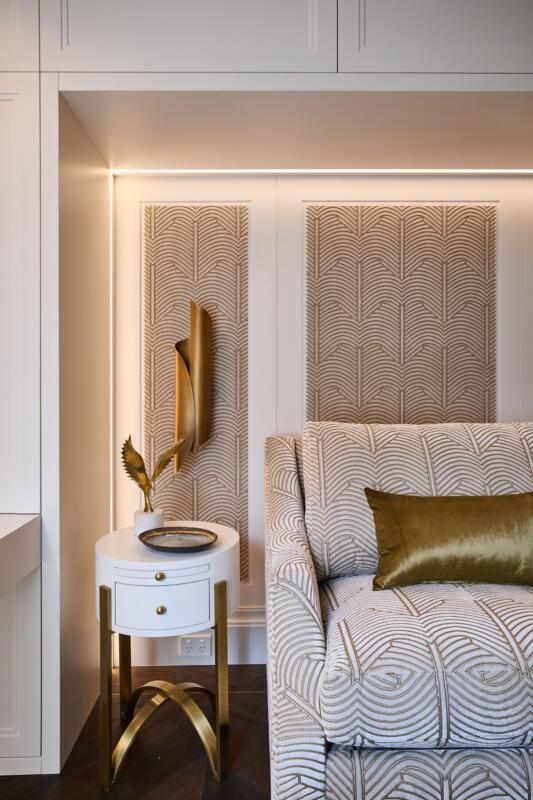
There comes a point in many renovations and new builds when every major decision has been made, yet the home still doesn’t feel complete. Rooms may appear visually hard, echoes make the space feel cavernous, natural light feels sharp, and the space doesn’t quite deliver the warmth you imagined it would. More often than not, the reason is simple: the house is finished, but the home is not.
The missing layer isn’t another decorative object or statement piece. It’s the design and specification of soft furnishings, from window treatments and upholstery to rugs, cushions and bedheads, that bring it all together.
Far from being an afterthought, soft furnishings influence light, comfort, proportion and atmosphere in ways few other design decisions can. They soften architecture without competing with it, create visual balance, improve comfort, and bring a level of refinement that’s difficult to achieve any other way.
Soft furnishings are more than decoration
When people hear the term soft furnishings, they often think of curtains, cushions or throws. While these elements are certainly part of the picture, interior designers see something quite differently. Soft furnishings are the fabric-based elements that soften and complete a home, including window treatments, upholstery, bedheads, rugs, cushions, throws, table linens and decorative wall finishes such as wallpaper and fabric wall panelling. Rather than existing as decorative pieces, they work together to shape how a space looks, feels and functions. They influence:
- Natural light
- Privacy
- Acoustics
- Thermal comfort
- Visual proportion and balance
- Texture and depth
The architectural and decorative role of window furnishings
“Window furnishings are not just decorative; they are an integral part of a room’s architecture. When thoughtfully considered and designed, they enhance proportion, frame the architecture, control natural light, soften and shape the way a space is experienced.”
Larissa Davis | Principal Designer
Window treatments influence proportion, natural light and privacy, making them fundamental to how a home looks and feels. Consider a Californian Bungalow with generous ceiling heights and relatively low window openings. Hanging curtains higher than the top of the window frame, rather than directly above it, draws the eye upward, making windows feel larger, and ceilings appear higher.
Curtains that finish a few centimetres above the floor have the same effect. They are like short pants. Once you notice them, they’re impossible to ignore.
Drapes should always extend beyond the width of the window opening where a wall space allows. This frames the window, enhances its proportions and creates the impression of a much larger opening. Covering part of the glass with drapery reduces natural light, makes the window appear smaller and more confined, and can leave the room feeling dark.
These details might seem minor, but together they change the way a room is experienced. Floor-to-ceiling drapery, correct proportions and thoughtful placement allow the architecture to perform as it was always intended.
The difference is often found in proportion, not pattern
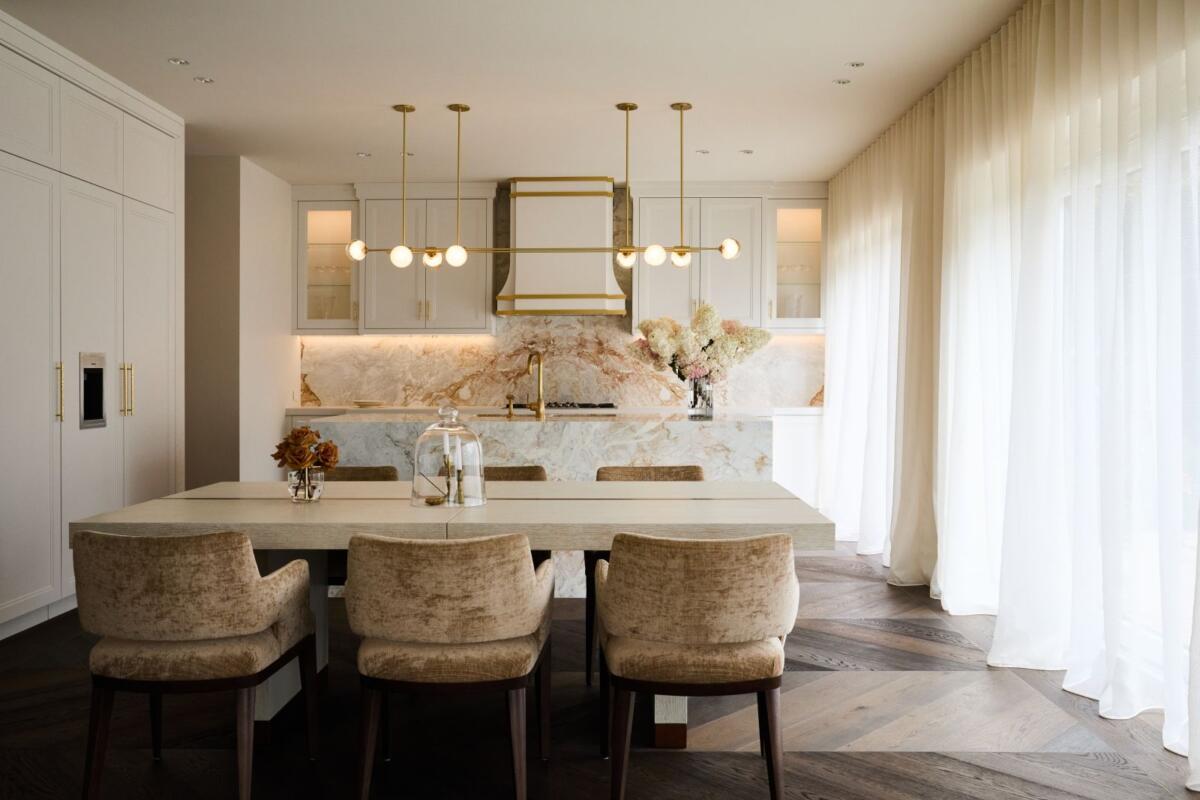
People often assume beautiful rooms are created through bold fabrics or expensive materials. More often, they’re the result of restraint. Our Toorak Project illustrates this perfectly. The open-plan kitchen, dining and sitting room featured marble benchtops, marble splashbacks, brass detailing, timber flooring and finely crafted cabinetry. Yet the space still felt visually hard, the windows appeared unfinished, and low bulkheads made the ceilings seem lower than they were.
To draw the eye upward and make the room feel taller, we installed full-height ivory sheer drapes from floor to ceiling in a tone that closely matched the ceiling. By removing the visual break between wall and ceiling, the room became softer and more balanced. The marble no longer dominated, and the upholstery, dining furniture and surrounding finishes appeared cohesive and whole.
Every window treatment begins with five considerations
Every room responds differently to light, outlook and privacy. Before selecting a single fabric or hardware finish, Larissa considers five elements that influence how the room will ultimately look, feel and function.
Function comes first
How will the room be used? We consider whether complete blockout is required, how much privacy the room needs, whether thermal insulation is important and how those requirements change throughout the day.
Respect the architecture
Window furnishings should enhance the architecture, not compete with it. Ceiling height, window proportions, room scale and architectural detailing all influence where window treatments begin, where they finish and how they shape the space.
Frame the outlook
Every view deserves a different response. Beautiful outlooks call for sheer fabrics that preserve transparency, while neighbouring properties may require layered solutions that maintain privacy without sacrificing natural light.
Respond to orientation
Morning light behaves very differently from western sun. The room’s orientation influences fabric selection, openness, glare reduction, and heat control, ensuring the space remains comfortable year-round.
Design for everyday living
The best solution is one that works effortlessly every day. Motorisation, ease of operation and the way a family lives all influence the final specification.
Looking beyond ready-made window furnishings?
Every home responds differently to natural light, outlook, privacy and proportion. A considered specification ensures every fabric, finish and installation detail supports the architecture rather than competing with it.
Explore our Soft Furnishings & Window Treatments service to see how bespoke solutions can complement your home.
Why custom soft furnishings achieve what retail often cannot
Ready-made soft furnishings certainly have their place, but they’re rarely designed for the proportions, lifestyle or specific requirements of an individual home. Custom design means every detail, from fabric selection and upholstery to dimensions, finishes and installation, is considered as part of the overall interior.
Lewisham Interiors has longstanding relationships with specialist Australian and international workrooms, allowing us to source and manufacture pieces well beyond the scope of standard retail products. That includes custom sofas and armchairs tailored to suit the room, bespoke beds and upholstered bedheads, dining banquette seating, one-off rugs, fabric- and wallpaper-panelled walls, custom cushions and throws, as well as bespoke curtains, blinds, pelmets, and specialist hardware. Each piece is made to suit the scale, function and aesthetic of the home using specialist craftsmanship not available through retail suppliers.
Every home presents different challenges, allowing us to specify the right solution rather than limiting the design to what’s available off the shelf.
Designed for every season
A well-designed soft furnishing scheme should respond to the seasons. Winter calls for warmth, softer acoustics and greater insulation. Summer benefits from filtered light, natural airflow and a stronger connection to the outdoors. Rather than updating your interiors as the weather changes, the right combination of window furnishings, upholstery, rugs and cushions allows a home to feel comfortable, balanced and functional throughout the year.
Good layering starts with restraint
Layering isn’t about adding more. It’s about adding with purpose. Too little layering can leave a room feeling unfinished, while too much can create visual clutter.
When styling cushions, proportion matters more than quantity, so they should vary in size and shape, with premium feather inserts that retain their form. The same principle applies to window furnishings, upholstery, rugs, bedheads and decorative textiles. Each layer should contribute softness, texture, scale or pattern, working together rather than competing for attention.
Rugs and upholstery
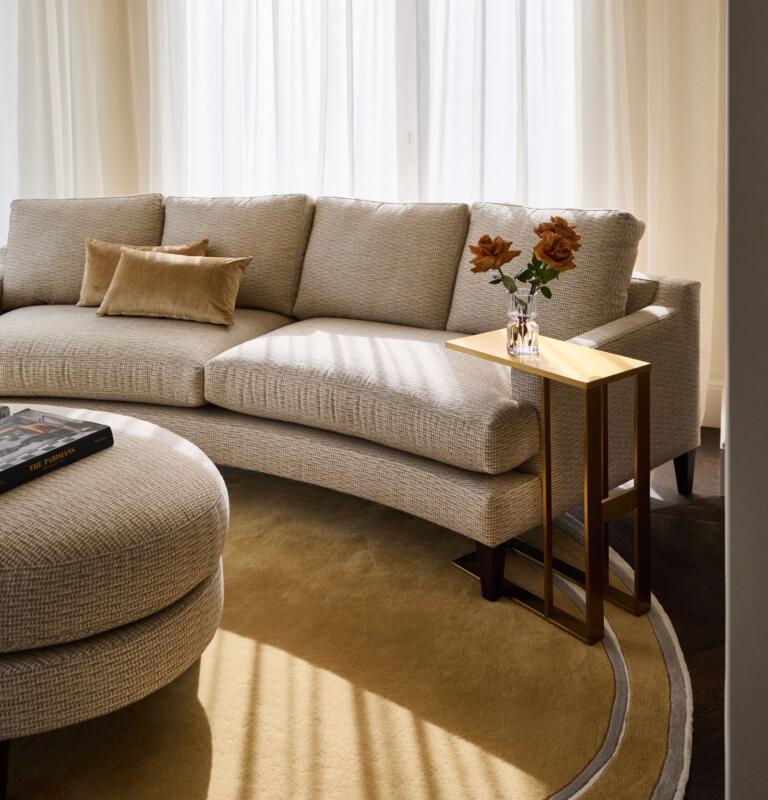
Rugs and upholstery are often selected early in the design process because they establish the colour palette and become the foundation for everything that follows. Their size, texture and placement underpin the spatial planning of a room and anchor the furnishings around them.
The most memorable interiors rarely rely on off-the-shelf furnishings. Standard sizes seldom provide the ideal proportions for a room, often leaving a space feeling basic, unbalanced and never quite resolved. A custom rug, professionally upholstered furniture and distinctive textiles introduce character, depth and the right scale. Like artwork, these pieces should feel personal, reflecting both the home’s architecture and the owners’ tastes. They become defining features of the room, giving the home a level of individuality that is impossible to replicate.
Wallpaper is more than a finishing touch
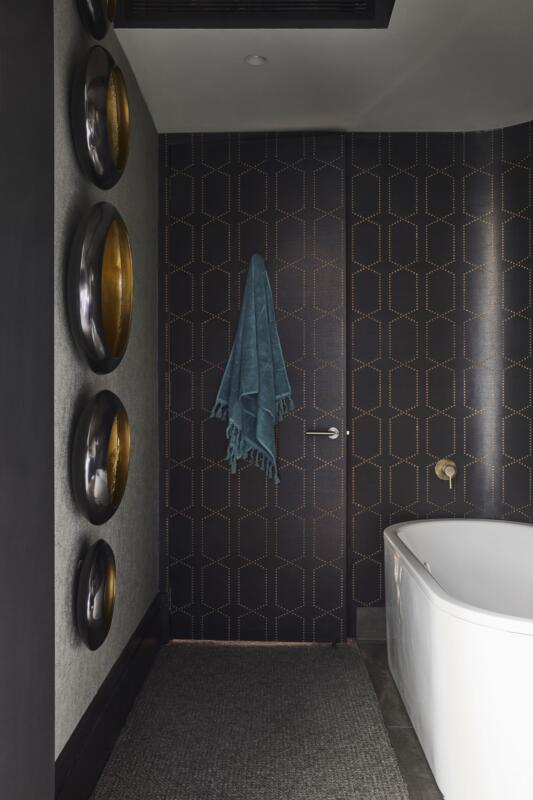
Wallpaper is often one of the first selections Larissa makes. Alongside natural stone, wallpaper is one of the most limiting finishes to introduce later in the design process because finding the perfect design, colour and texture can be surprisingly specific. Selecting it early opens up a much broader palette when coordinating fabrics, paint colours, furnishings and accessories.
The first selection criterion is quality. Premium vinyl-backed wallpapers resist tearing, conceal minor wall imperfections and are less prone to fading or shrinking at the seams. The second is design. Larissa looks beyond colour alone, considering scale, texture, pattern and sheen to ensure the wallpaper feels balanced within the architecture. Art Deco patterns create drama and become a focal point, while textured linen-look wallpapers with subtle colour variation add understated elegance. Richly coloured wallpapers create a sense of luxury and can visually draw the walls in, making spaces feel more intimate, while bolder patterns, such as animal or botanical-inspired designs, bring personality and a sense of adventure.
For homes seeking something unique, bespoke wallpaper offers almost limitless possibilities. Murals can be tailored to the proportions of a wall, colours adjusted to complement the interior palette, and individual design elements customised to create a one-of-a-kind installation.
When a house finally feels like home
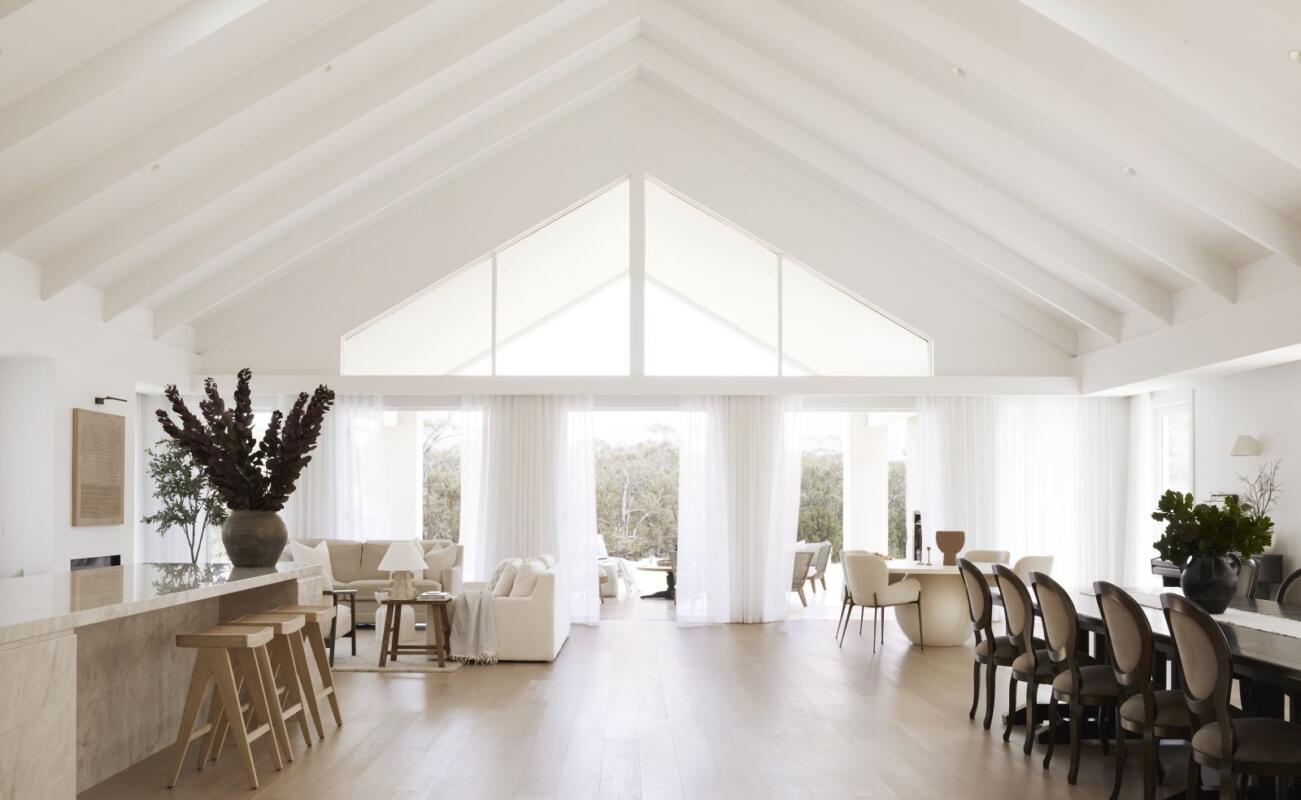
At a Chirnside Park Residence, we installed full-height sheer linen drapes with blockout blinds throughout the home. Spaces that had previously felt open and slightly cold became warm, welcoming and texturally layered. The gentle movement of the sheer drapery created a seamless connection between the interior and the alfresco beyond, bringing a sense of calm that could be felt throughout the home.
Standing in the master bedroom doorway, our client watched the drapes being hung with tears streaming down her face. It was a reminder that the final layer often changes the way people experience their home.
“People don’t become emotional because we’ve installed curtains. They become emotional because, for the first time, they experience their home exactly as they’d imagined it.”
Larissa Davis | Principal Designer
The cost of getting it wrong
The biggest mistake is rarely one major decision. More often, it’s the accumulation of small ones that don’t quite work together. Fabric selection, proportion, installation, hardware, rug size, upholstery, cushion inserts and finishes all influence the room design.
Quality matters just as much as design. Saving money with lower-grade materials or standard manufacturing often compromises the final result. Drapery can lose its natural movement, upholstery may not wear as intended, and rugs can feel disconnected from the scale of the room. Many homeowners end up replacing brand-new soft furnishings that never quite achieve the look or performance they expected.
“If budget is a consideration, professional design advice is often the most valuable investment. Even when products are sourced elsewhere, establishing the right design direction from the outset helps avoid costly mistakes and ensures that every decision contributes to a cohesive outcome.”
Larissa Davis | Principal Designer
Planning a renovation or completing a new build?
The difference between a house and a home is often found in the final layer. Winter is an ideal time to begin planning bespoke soft furnishings and window treatments. Starting now allows fabrics, hardware and custom pieces to be carefully selected, manufactured and installed before the warmer months arrive.
If you’re planning a whole-home renovation, new build or furnishing project, we’d love to discuss how soft furnishings can bring every element together.
Contact Lewisham Interiors to arrange an initial consultation.
Frequently Asked Questions
Custom soft furnishings are designed specifically for the proportions, function and architecture of your home. From made-to-measure window furnishings to custom upholstery, rugs and cushions, every element is tailored to the space and the way you live. They should fit around you, not require you to fit around them. The result is better proportions, higher-quality finishes and a more cohesive interior than standard retail products can typically achieve. Investment varies depending on factors such as fabric selection, window size, hardware, lining, motorisation, upholstery, rugs and installation.
Start by considering how each room will be used. Function, outlook, proportion and lifestyle all influence the right combination of window furnishings, upholstery, rugs, cushions and other soft furnishings. The most successful schemes work together as a whole, creating comfort, balance and a consistent design language throughout the home.
Sheer curtains soften natural light while maintaining connection to the outdoors. Blockout curtains or blinds provide darkness and privacy, making them ideal for bedrooms. Translucent blinds diffuse daylight, reduce glare and maintain privacy without completely blocking natural light.
Wallpaper can work almost anywhere when it’s chosen with purpose. Richly textured designs create a timeless backdrop throughout an entire home, while bold patterns and colour are ideal where you want to create drama or express personality. The key is selecting a wallpaper that complements the architecture, suits the space’s function, and reflects the people who live there.


